If you don't read the newspaper, you're uninformed. If you read the newspaper, you're mis-informed.
Mark Twain
World News
Blockchain-based music platform Audius looks set to be a copyright nightmare
2022-02-28 The Verge
Created to compete with SoundCloud after reports of infringement on the platform intensified, Audius is banking on technology: publishing a catalogue that cannot be deleted because it resides on Blockhcain, a digital registry from which data cannot be deleted. But what happens if the music is infringing someone's right...
When someone reports copyright infringement before the content is even online
2022-02-27 Matt Binder
It happened to a YouTube user who, before even being able to do his live broadcast, found himself being banned by the platform for infringement of copyright on behalf of Warner Bros. A ban that includes the suspension of his live broadcasts for three months, not generated by an algorithm, not due to an error, but by a ...
The NFT phenomenon begins to crumble as lawsuits and trademark and copyright infringements begin to occur
2022-02-26 Cointelegraph
The subject of intellectual property is complex and 'NFT' or 'blockchain' are not the answer. Thus, every day there are striking cases such as DAO Spice winning a copy of the book Dune for over USD 3 million - but not the rights, artists reporting unauthorised uses of their works on NFT platforms or brands such as Nike...
Investment firm Hipgnosis invests USD 1 billion in music catalogue rights
2022-02-25 MusicWeek
Remarkably, we are entering an era where almost all music consumed is paid for, thanks to streaming services. The music industry is one of the segments where the value of copyrighted material can be perceived. UK investment firm Hipgnosis demonstrates this by investing USD 1 billion in music catalogue rights.
Rising tensions between intellectual property protection and the right to repair
2022-02-24 The IPkat
Want to repair something you own? As devices and vehicles have more and more embedded software, the DIY principle of repairing them becomes an issue of copyright infringement.
Exploiting copyright with AI: generating every possible melody to release them in public domain
2022-02-23 VICE
What would happen to Copyright if someone created any possible melody and release it to the Public Domain? This is what two musician/programmers are doing using AI to create as much as 300K melodies per second and therefore avoiding copyright strikes.
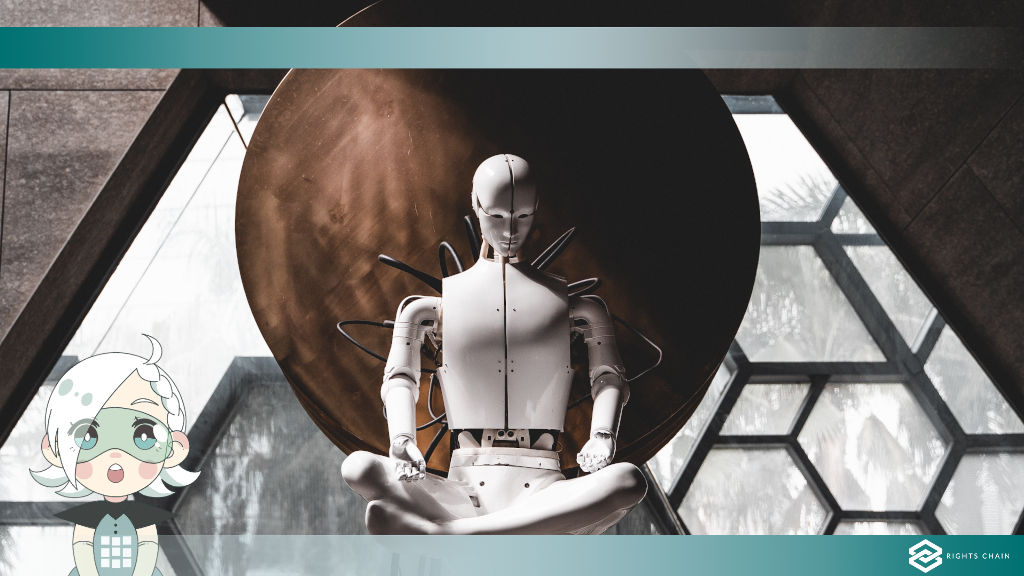
Who should be the owner of AI generated content?
2022-02-22 SingularityHub
The more AI goes on, the more credit it's being given to its alleged creativity. Which, so far, has been something that could be attributed only to humans. But as more AI generated content is being created, who should own the copyright of it?
Google removes tens of thousands of links based on bogus copyright claims
2022-02-21 Allum Bokhari
The subject of online copyright management is divided between difficulties and attempts to avoid problems. In this attempt, the search engine tycoon removes tens of thousands of links from its search results on the basis of bogus copyright infringement reports.
HitPiece shuts down its NFT platform on grounds of copyright infringement
2022-02-20 Medium
The mad race for innovation and NFTs is back in the news. It seems that HitPiece, a platform still in beta, created its own database of 'all the music in the world' using Spotify, before converting each unique track into an NFT. The reaction of copyright holders was promptly noticed and the platform was taken offline p...
Twitch promotes a new policy to protect original content creators by banning DJ sets
2022-02-19 Wide Future
Did you think only YouTube could be a problem when it comes to copyright strike? Well it turns out since June '20 also Twitch streamers are at risk of takedown or ban under the DMCA in order to "support creators and their intellectual property"
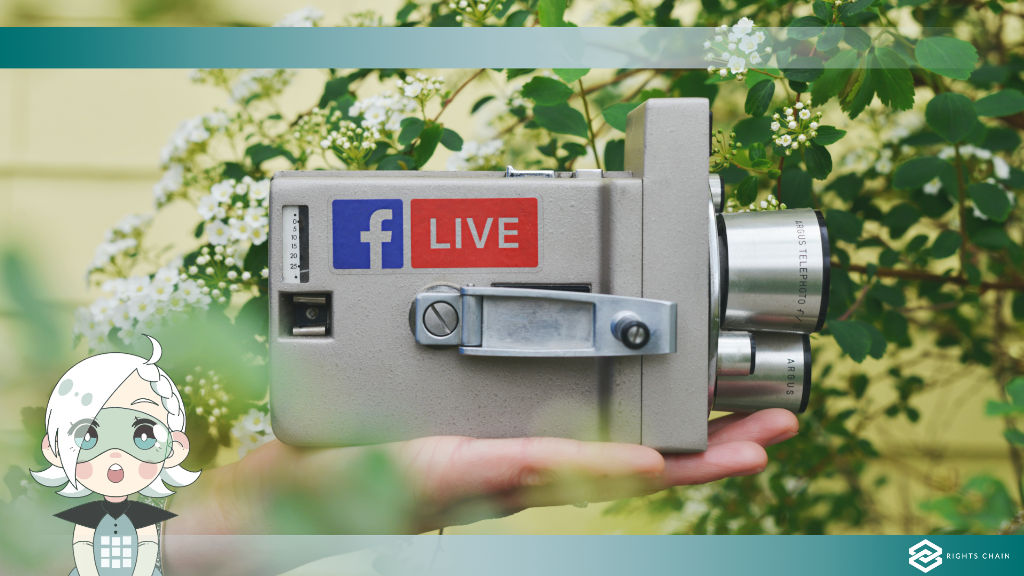
Danish law enforcement arrests 33-year-old man for spreading videos on Facebook Live
2022-02-18 TorrentFreak
The man, owner of the "Facebio" group, reproduced live streaming of films and TV series. Reported by the Rights Alliance, a local anti-piracy group, the owner was identified, taken into custody and ordered to pay 55,000 Danish kroner in damages (about $9,000). Increasingly, social media are being used alongside peer-to...
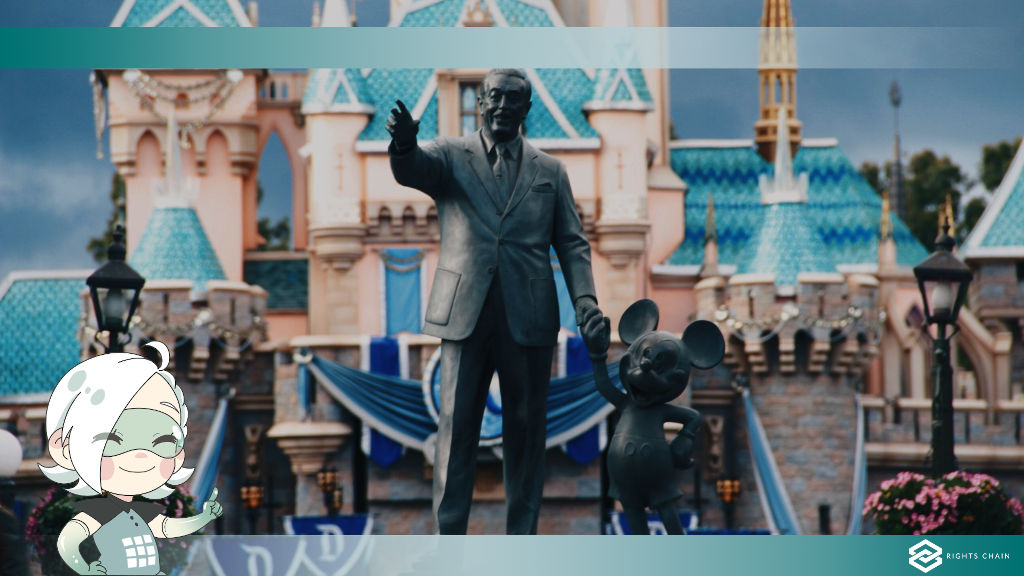
Disney tries to get the rights over Loki but fails to achieve its goal
2022-02-17 AFP Fact Check
Over the decades, Disney has repeatedly attempted to register and protect the rights to slogans or popular celebrations. Recently, it attempted to register the Norse god 'Loki' for the Marvel franchise, an attempt that was rejected. Why? Because it is not an original enough idea (i.e., not at all) to be considered orig...
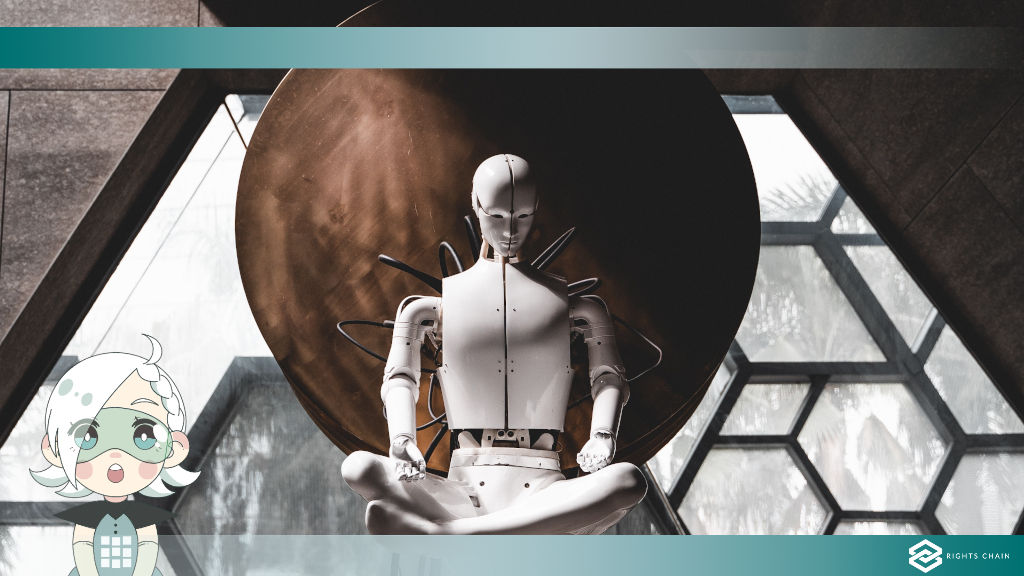
Robots have no place in creative content moderation
2022-02-16 eff.org
The American Copyright Office is collecting information for the creation of a standard on technical measures to be taken in the field of copyright infringement. In a comment sent by the EFF (Electronic Frontier Foundation) organisation, an adamant point of view: content moderation cannot be entrusted to software or a r...
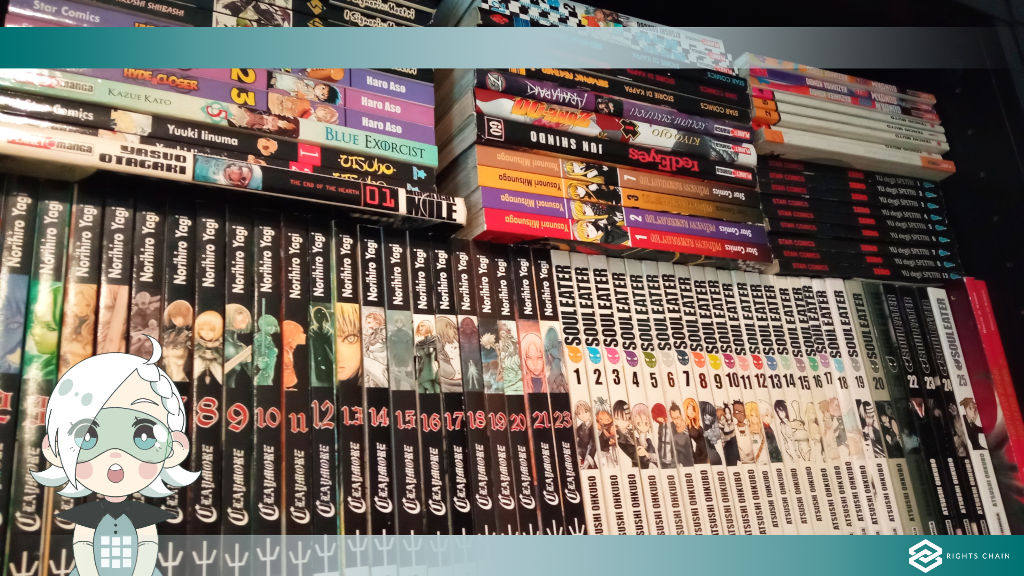
Four major manga publishers prepare to sue CloudFlare
2022-02-15 TorrentFreak
Four of Japan's leading manga publishers, Shueisha, Kodansha, Shogakukan and Kadokawa, are preparing to sue CloudFlare for facilitating the distribution and reproduction of animation series and other copyrighted content through its Content Delivery Network (CDN). CloudFlare is one of the largest players in the market f...
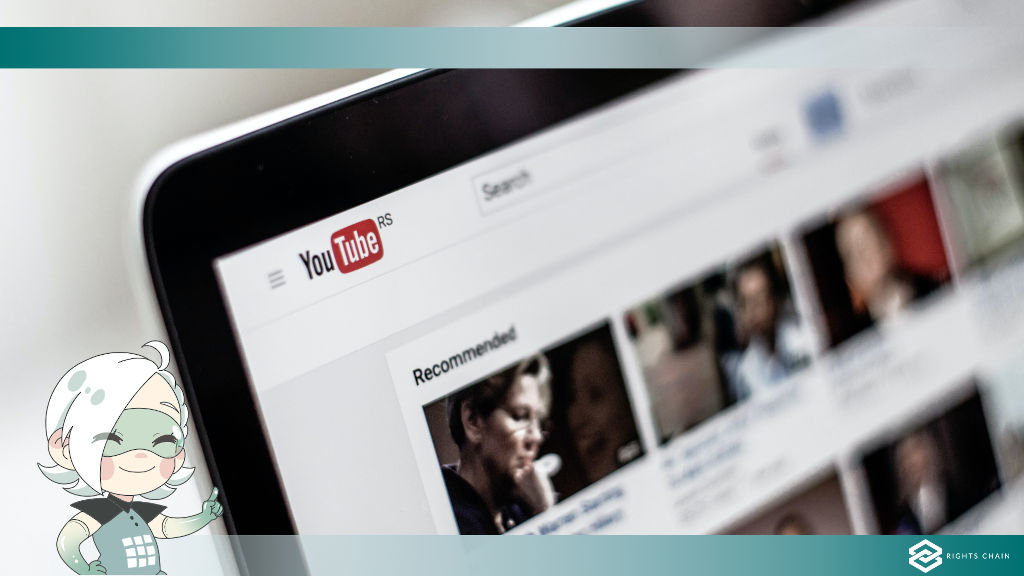
Three arrests in Japan for uploading films to YouTube
2022-02-14 CNET
Japan is one of those countries that value its culture so much that it has an organisation (CODA - Content Overseas Distribution Association) through which rights holders and copyright organisations can cooperate to reduce online piracy. As a result of this cooperation, three people have been arrested for uploading sho...
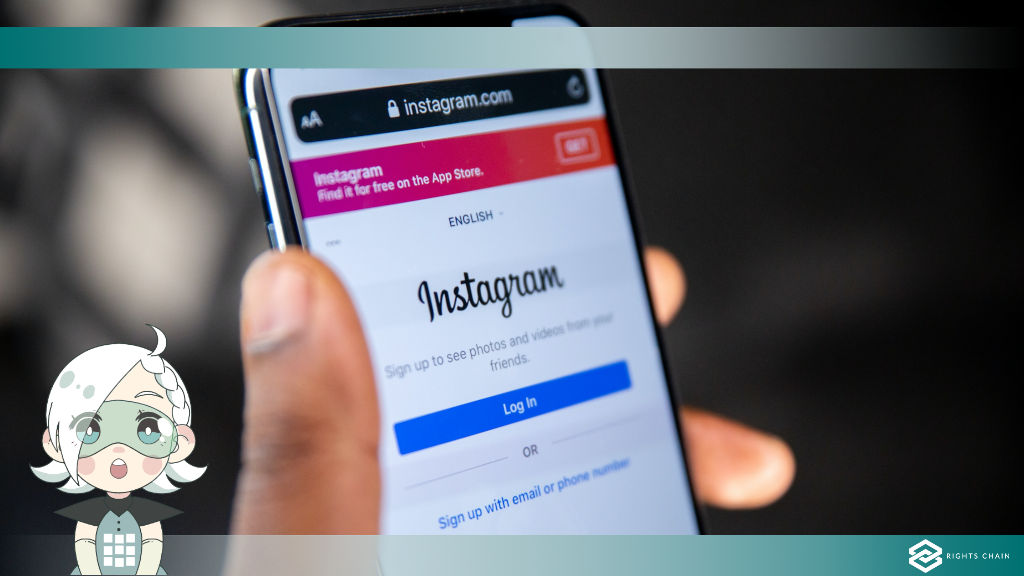
The platform protects no one but itself
2022-02-13 BBC
One of the most common problems on social platforms is the presence of fake accounts impersonating artists or influencers. In some cases, the number of followers these accounts gain is significant, to the point of harming the original user. One British writer recounts how he tried to contact the platform, which not onl...